
Elegant Inlay Craftsmanship: Elevating Billiard Cue Butts to Art
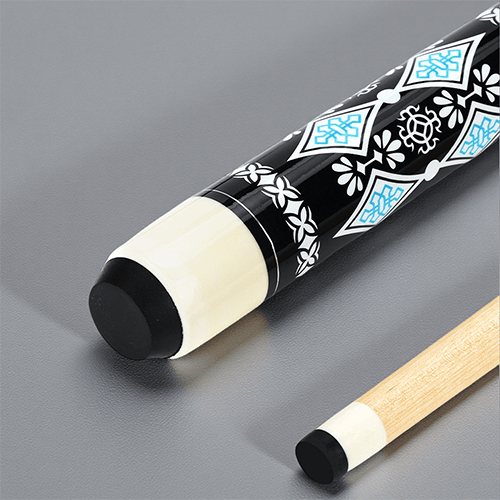
The butt of a billiard cue, often referred to as the rear section or handle, serves as both the visual centerpiece and the primary point of contact for the player. While the shaft delivers precision and feel during the stroke, the butt defines the cue’s personality, balance, and aesthetic appeal. Among the many customization techniques available, butt inlay craftsmanship stands out as one of the most sophisticated and artistic processes in cue making. This intricate technique transforms a simple wooden blank into a unique work of art that collectors and serious players treasure. Whether you are a competitive pool player or a passionate enthusiast, understanding cue butt inlay helps you appreciate the craftsmanship behind high-end custom cues.
Inlay work has deep roots in traditional cue-making history. Early European and American cue makers in the 19th century relied entirely on hand tools to carve recesses into exotic woods and carefully insert contrasting materials. These early inlays often featured simple rings, diamonds, or initials. Today, modern cue makers blend centuries-old hand-finishing skills with advanced CNC (Computer Numerical Control) technology. This combination delivers unmatched precision while preserving the warmth and individuality of handmade work. The result is cues that are not only beautiful but also structurally sound and balanced for high-level performance.
Common Materials Used in Cue Butt Inlays
The choice of inlay materials dramatically affects both the appearance and long-term durability of the cue. Popular options include:
- Exotic hardwoods such as ebony, rosewood, cocobolo, padauk, and curly maple. These woods provide rich grain patterns and natural color contrast.
- Mother-of-pearl (MOP) and abalone shells, which create shimmering, iridescent effects under light.
- Ivory substitutes and high-grade synthetic materials that mimic the look of traditional ivory while meeting modern ethical and legal standards.
- Metals including brass, copper, silver, and even gold for decorative rings, lines, and accents.
- Gemstones, turquoise, or colored resins for bold, personalized statements.
Material selection is critical. Cue makers must consider wood density, expansion rates, and compatibility to prevent cracking or separation over time due to changes in humidity and temperature. Premium makers source only well-seasoned, stable materials that can withstand years of regular use.
The Detailed Inlay Process
Creating a high-quality butt inlay is a multi-stage journey that demands patience, precision, and artistic vision.
- Design Phase: Everything begins with the customer’s vision. Many makers use CAD software to design intricate patterns—ranging from elegant Celtic knots and dragon motifs to personalized logos, initials, or cultural symbols. The design must account for balance points and weight distribution.
- Blank Preparation: A carefully selected butt blank (usually maple or ebony) is turned on a lathe to rough dimensions and thoroughly dried to minimize future movement.
- Recess Carving: Using CNC machines for complex patterns or traditional hand tools for custom details, the maker carves precise recesses into the wood. Depth, angles, and fit must be exact—often within fractions of a millimeter.
- Inlay Insertion: Each piece is meticulously cut, shaped, and test-fitted. Special high-strength glues are applied, and the inlays are pressed into place. Multi-layer or three-dimensional inlays require sequential assembly with careful alignment at every step.
- Shaping and Sanding: After the glue cures, the entire butt returns to the lathe for final turning. Progressive sanding from coarse to ultra-fine grits (up to 2000 or higher) creates a seamless, glass-smooth surface where inlays and wood blend perfectly.
- Finishing: Multiple coats of premium lacquer, polyurethane, or oil-based finishes are applied. Hand polishing brings out a deep mirror-like shine that enhances the depth and luster of every inlay element. Some makers offer French polish for a more traditional feel.
The entire process can take anywhere from several days to several weeks, depending on complexity. A masterfully inlaid cue butt may incorporate dozens of individual pieces, each requiring separate attention.
Advantages of Inlaid Cues
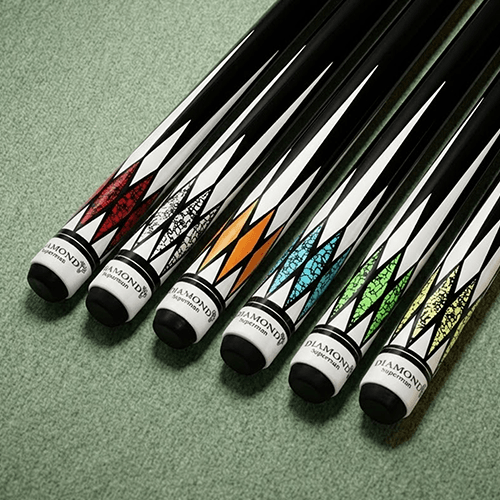
Beyond stunning visuals, quality inlays can improve grip texture and provide subtle weight adjustments for better balance. Custom patterns make each cue truly one-of-a-kind, turning it into both a performance tool and a collectible investment. Many professional players and enthusiasts commission cues with personal motifs that reflect their style, heritage, or lucky symbols.
Buying Tips for Inlaid Cues
When shopping for a cue with butt inlays, examine the following:
- Seam tightness: High-quality inlays show virtually no visible gaps even under close inspection.
- Material stability and color matching.
- Overall balance and joint quality.
- Reputation of the cue maker—established names and skilled independent artisans both offer excellent work.
Whether you prefer classic elegance or bold modern designs, a well-crafted inlaid butt elevates your game both technically and emotionally.
In conclusion, billiard cue butt inlay craftsmanship represents the perfect marriage of tradition and innovation. It transforms functional sporting equipment into personalized masterpieces that players are proud to own and use. As the demand for custom cues continues to grow, this artisanal skill remains at the heart of what makes high-end billiard cues truly special. Investing in a finely inlaid cue is not just purchasing gear—it is acquiring a lasting piece of functional art.