
The Art and Science of the Solid Wood Pool Cue Shaft
When it comes to billiards and pool, the equipment you choose can significantly impact your performance and enjoyment of the game. At the heart of every quality cue lies its pool cue anatomy — a carefully engineered structure divided primarily into two main sections: the shaft (also known as the front section or fore-end) and the butt (the rear handle). Understanding these components is essential for both beginners and experienced players seeking to improve their game.
What Is a Real Wood Cue Shaft?
The billiard cue shaft, or front section, is the upper, thinner portion of the cue that directly contacts the cue ball via the leather tip. In contrast, the cue butt forms the lower, thicker handle that provides grip and balance. Many players, especially those who appreciate traditional craftsmanship, opt for a solid wood pool cue shaft — a real wood cue shaft made from a single piece of natural hardwood without lamination, carbon fiber reinforcement, or other modern composites.
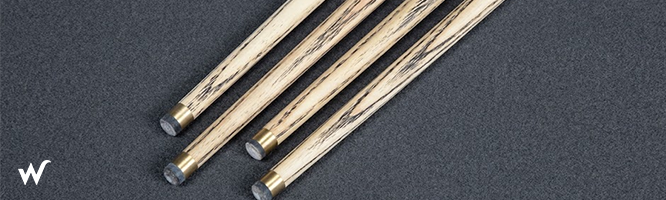
A solid wood pool cue shaft refers to the front section crafted from premium natural timber, most commonly hard maple or ash. Unlike laminated wooden shafts (made from multiple glued layers) or high-tech carbon fiber shafts, a real wood cue shaft retains the original grain structure and properties of the tree. This traditional construction preserves the natural elasticity and feedback that many enthusiasts consider irreplaceable.
Maple shafts are popular in American pool and nine-ball games for their density and consistent performance, while ash shafts are favored in snooker and English billiards for their distinctive arrow-like grain patterns (often enhanced with staining) and slightly softer feel. High-quality wooden cue shafts are selected from straight-grained, defect-free timber that has been properly seasoned and aged to ensure stability.
The Critical Role of the Billiard Cue Shaft
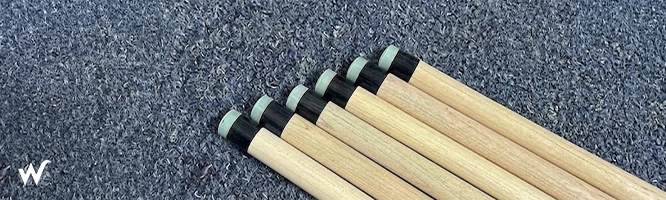
The pool cue shaft plays the most important functional role in shot execution. It is responsible for transferring power from the player’s stroke to the cue ball, controlling spin (English or sidespin), and delivering precise feedback. A well-made shaft influences deflection, accuracy, and overall feel during impact.
Because the shaft is the part that strikes the ball thousands of times, its material properties — stiffness, elasticity, and vibration transmission — directly affect consistency and touch. Players often describe a good solid wood pool cue shaft as offering a lively yet controlled response that helps develop better cue ball control over time.
Shaft vs. Butt: Key Differences in Pool Cue Anatomy
While the entire cue works as a unified tool, the shaft and butt serve distinctly different purposes in pool cue anatomy.
The real wood cue shaft focuses primarily on performance. It emphasizes elasticity (the ability to flex and recover), hardness, and efficient energy transfer. These qualities allow skilled players to generate power while maintaining fine control over draw, follow, and side spin. A high-quality wooden shaft provides rich tactile feedback, helping players “feel” the shot and adjust their technique accordingly.
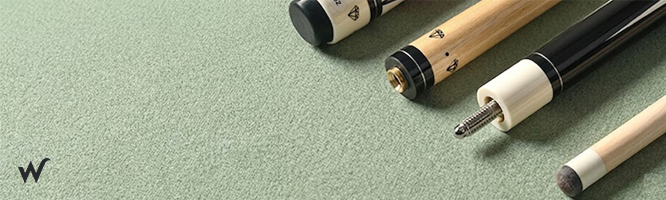
In comparison, the cue butt is designed with balance and aesthetics in mind. It is typically heavier and constructed from denser woods such as ebony, rosewood, or exotic hardwoods. The butt contributes to the overall weight distribution and swing weight of the cue, ensuring comfortable handling and a smooth stroke. Many premium cues feature ornate inlays, rings, and decorative elements on the butt, making it a showcase of craftsmanship and personal style. While the shaft prioritizes playability, the butt enhances stability and visual appeal.
Why Choose a Solid Wood Pool Cue Shaft?
Despite the rise of low-deflection carbon fiber and laminated shafts, many serious players and traditionalists continue to favor solid wood pool cue shafts for their unmatched natural feel. The organic elasticity of real maple or ash delivers a warm, responsive hit that transmits subtle vibrations back to the player’s hands — feedback that helps refine stroke mechanics and cue ball positioning.
At brands like Uniwave, craftsmen understand this timeless appeal and carefully select premium maple and ash to produce real wood cue shafts that honor traditional feel while meeting modern playing standards.
A real wood cue shaft often provides excellent “wooden” feedback and a lively hit that some describe as more forgiving and intuitive than the stiffer, sometimes “dead” feel of synthetic materials. It also tends to be more affordable at the entry-to-mid level while offering superb performance when made from properly selected and seasoned timber.
Of course, wooden shafts require more care regarding humidity and temperature changes, as natural wood can be sensitive to environmental shifts. However, with proper maintenance — using cue cases, avoiding extreme conditions, and regular cleaning — a quality solid wood pool cue shaft can deliver years of reliable service and satisfying play.