
The Carbon Fiber Revolution: Guide for Billiard Wholesalers
The global billiard market is undergoing its most significant technological evolution in decades. For over a century, North American hard maple and premium ash wood have been the undisputed kings of cue manufacturing. However, the industry paradigm is shifting at an unprecedented pace. Carbon fiber shafts are no longer just a futuristic novelty or an expensive luxury reserved for elite professionals; they have officially become the new gold standard for competitive players and casual enthusiasts alike.
For billiard distributors, international importers, and wholesalers, this technological shift represents a massive commercial opportunity. Understanding the intrinsic, long-term value of carbon fiber is essential to upgrading your product catalog, revitalizing your brand identity, and capturing higher-margin market segments.
The Death of Warping: Solved by Material Science
The greatest logistical, operational, and financial headache for any billiard wholesaler or commercial pool hall owner is wood warping. Traditional wooden shafts are highly organic and sensitive to humidity fluctuations, temperature drops, and the harsh conditions of cross-border maritime shipping. A batch of maple cues stored in an improperly climate-controlled warehouse can easily warp, turning premium stock into unsellable, dead inventory.
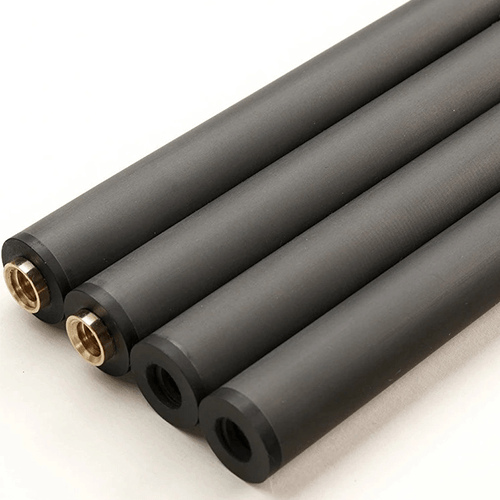
Carbon fiber completely eliminates this supply chain risk. Engineered from aerospace-grade carbon fiber composite layers, these shafts are entirely impervious to moisture, heat, and dryness. They do not bend, twist, or split under harsh environmental conditions. For B2B buyers, this engineering marvel translates to zero defection rates during long-distance transit, significantly reduced product return costs, and a remarkably longer shelf life.
Unmatched Performance: The Low Deflection Revolution
Why are players universally willing to pay a retail premium for carbon fiber? The answer lies in advanced physics. Carbon fiber shafts are incredibly lightweight yet boast exceptional structural rigidity. This unique combination allows manufacturers to drastically reduce the front-end weight of the cue, creating ultra-low deflection shafts.
When a player applies side spin (commonly known as english), a traditional wooden shaft flexes sideways, pushing the cue ball off the intended aiming line. Carbon fiber’s extreme stiffness minimizes this deflection, ensuring the cue ball travels precisely where the player aims. Furthermore, the kinetic energy transfer is highly efficient, providing a consistent, crisp sensation on every shot. When you distribute carbon fiber cues, you are selling immediate skill enhancement—a powerful value proposition that makes retail conversion effortless for your downstream clients.
Cracking the Sound Code: Vibration and Feeling
In the early days of composite cues, many players complained about the hollow, metallic “ping” sound upon impact, which felt synthetic compared to the organic vibration of wood. Today, advanced manufacturers have cracked this code by integrating sophisticated internal foam-damping technologies.
By injecting customized density polyurethane foam into the carbon fiber core, modern shafts successfully replicate the solid, resonant feedback of traditional maple while retaining the superior performance of composites. For wholesalers, being able to offer shafts that deliver both high-tech low deflection and a satisfying acoustic feedback is the ultimate selling point that satisfies even the most traditional billiard purists.
Scratch and Impact Resistance: Built for Commercial Longevity
Commercial environments like pool halls, bars, and high-traffic clubs put billiard equipment through rigorous, daily wear and tear. Wooden cues easily accumulate dings, deep scratches, and sticky residue from hand sweat, requiring constant professional sanding, cleaning, and maintenance.
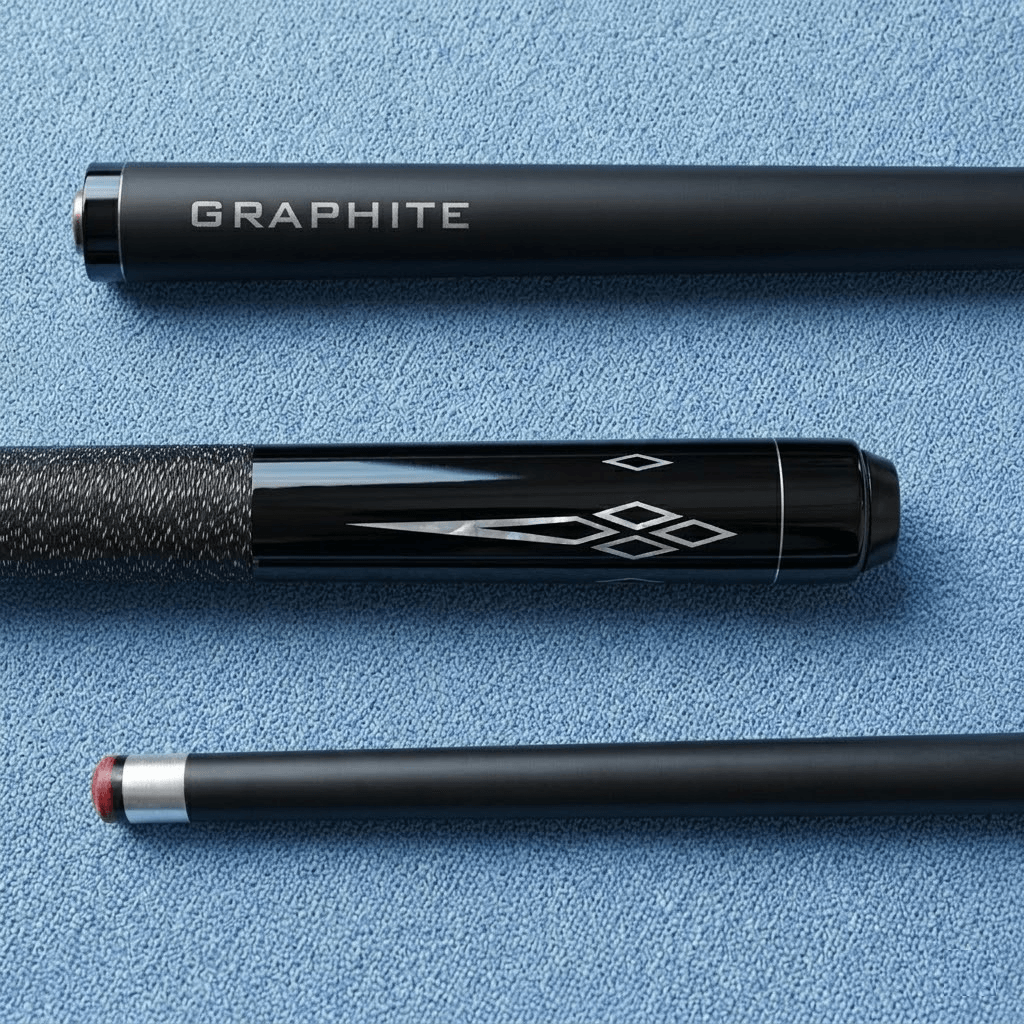
In contrast, carbon fiber boasts incredible surface hardness. It effortlessly resists scratches from rings, withstands accidental impacts against table rails, and maintains a perfectly smooth, slick finish without the need for specialized cue wax or powder. This extreme durability makes them highly attractive to pool hall managers looking to reduce long-term operational costs, opening up a lucrative B2B sub-market for bulk commercial orders.
The Wholesaler’s Profit Blueprint: Higher Margins
From a purely financial standpoint, carbon fiber products carry a significantly higher Average Order Value (AOV) and healthier profit margins compared to entry-level wooden cues. While the market for cheap wooden cues is saturated with intense price competition, the premium carbon fiber segment allows distributors to command excellent margins.
Modern billiard consumers—particularly millennials and Gen Z—are actively moving away from traditional, overly complex aesthetics toward a sleek, modern, and minimalist design language. The matte or gloss black finish of a carbon fiber shaft offers a premium, high-tech industrial look that perfectly aligns with this minimalist trend. It looks sophisticated and expensive on display, allowing retail stores and online e-commerce brands to generate substantial profits.
Conclusion: Sourcing the Future
The demand for carbon fiber is skyrocketing globally, but the market requires a delicate balance of wall-thickness optimization and precise taper consistency. As a forward-thinking wholesaler, partnering with a manufacturer that masters the convergence of advanced carbon fiber engineering and a minimalist aesthetic is the key to dominating your regional market. Upgrading your inventory today ensures you stay ahead of the curve as the billiard industry continues its high-tech reformation.